

Hundreds of metres beneath the ocean, subsea systems operate in the harshest conditions on Earth. Extreme pressure, fluctuating temperatures, and unstable connections disrupt critical communication. Data interruptions can impact operational efficiency, inspection accuracy, and performance.
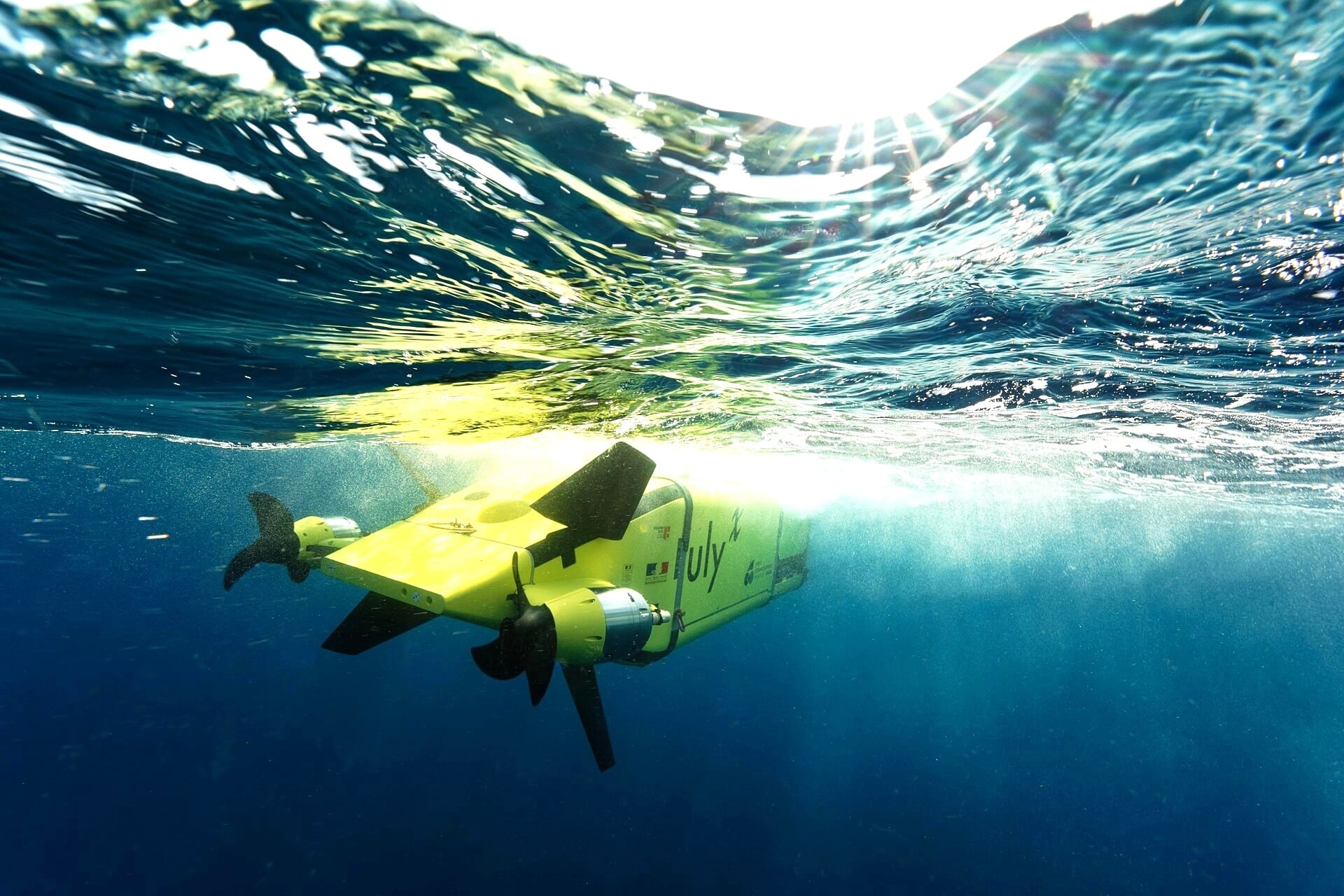
TSC Subsea, a leader in robotic inspection, deploys underwater vehicles in these challenging conditions. Whether navigating the deep-sea or coordinating tasks, robotic operations depend on accurate communication between sensors, controllers, and third-party equipment. As industrial processes become data-driven, engineers require networking solutions that combine reliability with flexible design.
To preserve communication in harsh subsea environments, TSC Subsea relies on Brainboxes’ industrial Ethernet switches and Remote I/O modules. The team transmits data from cameras, sensors, and control systems. The switches provide a simple, robust network framework for continuous data flow.
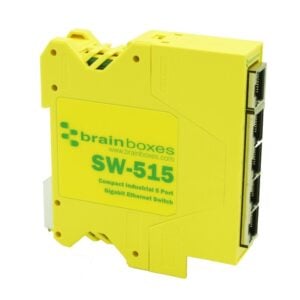
Certain inspection tasks require high-resolution imaging to detect fine structural defects, such as hairline cracks. TSC Subsea uses Brainboxes Gigabit network switches to ensure real-time high-bandwidth transmission without loss or delay. These switches reinforce resilient networks that support accurate monitoring and automated decision-making in demanding underwater surroundings. Their rugged, lightweight design maintains performance under vibration, humidity, and fluctuating power. This reliable data flow enables predictive maintenance, remote monitoring, and precise coordination between multiple automated processes.
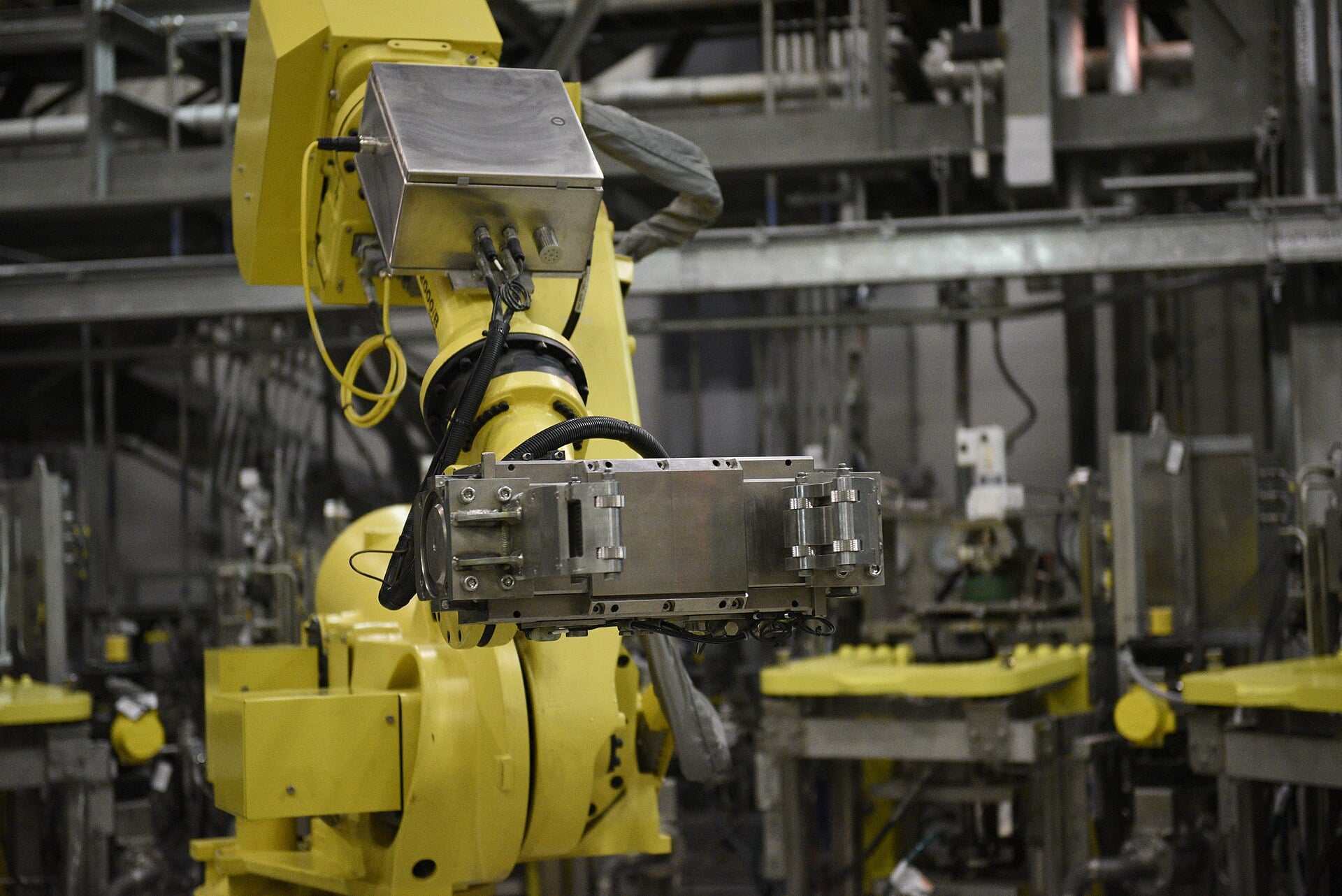
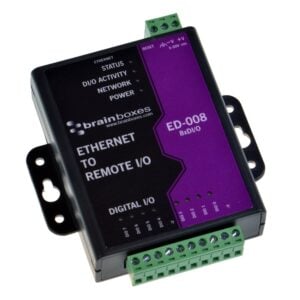
In subsea operations, sensor signals are often distributed across separate wiring runs. This makes data collection slow, fragmented, and difficult to manage in environments exposed to high pressure, corrosion, and sealed thermal conditions. To solve this, TSC Subsea uses Brainboxes Remote I/O devices to consolidate dispersed sensor inputs into a single, networked interface. This provides instant access to critical signals, allowing engineers to respond to changes in sensor readings. Consequently, improving safety and reducing downtime. The Remote I/O modules transformed complex and disconnected wiring into a cohesive, responsive network supporting fast decision-making and precise operational control.
Next-generation subsea vehicles are packed with advanced sensors, control systems, and communication modules. These sensors are sealed within enclosures where every cubic centimetre of space and watt of power is tightly constrained. In these environments, efficient use of physical footprint and energy is critical to operational performance and thermal stability. To meet these demands, TSC Subsea has deployed Brainboxes Pure Embedded Ethernet Switch range into their technologies.
The devices provide high-speed Gigabit performance and ultra-low power consumption in a compact form factor, allowing engineers to add networking capability without sacrificing space. More functionality can be delivered within a smaller form-factor, supporting compact and capable subsea robotics platforms.
From automated production lines to deep-sea inspection vehicles, challenges differ, but dependable communication remains constant. By combining robust connectivity with adaptable solutions, Brainboxes enables organisations to scale automation and respond to the growing demands of the industry.
-
SW-005
£39.54 Add to cart

-
SW-515
£107.26 Add to cart
-
ED-008
£114.35 Add to cart
-
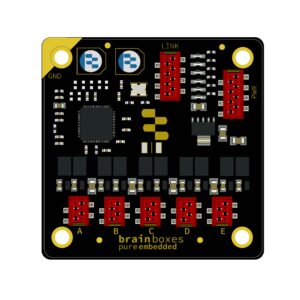
PE-505
£36.75 Add to cart
-
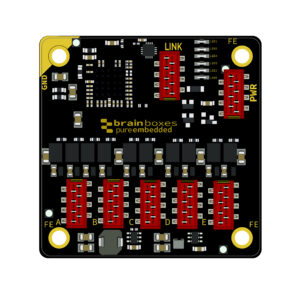
PE-515
£57.75 Add to cart