

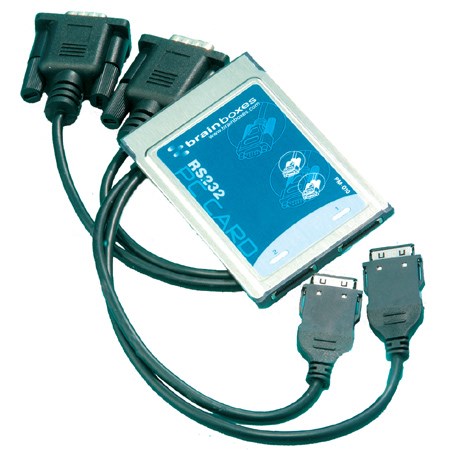
PM-010 2 Port RS232 PCMCIA with detachable cables
Discontinued
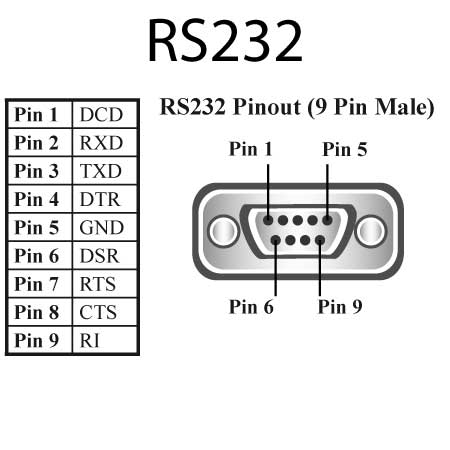
- 2 Port RS-232 PCMCIA Adapter Card (PC Card)
- Data rate from 110 to 921,600 baud
- Detachable Serial Cables
- 128 Byte Transmit and Receive FIFOs
- Drivers for all popular operating systems
- Lifetime Warranty and Support
PM-010 Approvals






PM-010 Description
A PCMCIA type II card providing two independent RS232 serial ports. Velocity megabaud data transfer rates and the 128 byte deep FIFOS, coupled with 1Mbit/s line drivers deliver uncompromising performance on your laptop. The detachable cables allow the PC card to stay in the laptop without risk of damage during transit. Drivers for Windows 32 bit and 64 bit Operating Systems including Windows 95/98/2000, XP, Server 2003, Vista, Server 2008 and Windows 7.
See other products the same category as PM-010: Discontinued
PM-010 Media
PM-010 Supported Operating Systems




Related Products to PM-010 Discontinued
-
PM-020
£115.00 Add to cart -
VX-012
£86.25 Add to cart -
UC-302
£165.00 Add to cart -
PM-132
£195.00 Add to cart

Great service and fast delivery. Thank you
Fast response and prompt shipping. Top service from Brainboxes, thank you.
We use these [Brainboxes Serial] adapters in our company (industrial automation, lots of serial stuff); they work as a regular COM port, we’ve never had any issues with them.